OPEN 7AM-5PM
CALL NOW 785-800-5747

OUR SERVICES
We Offer a Range of Services to Meet Your Needs
Septic Tank Pumping
Regular septic tank pumping helps keep your system working properly and can help prevent backups, damage, and costly repairs. Rossi Septic provides thorough, dependable pumping services to remove buildup and keep your septic system running smoothly. Routine pumping can also extend the life of your system and help you avoid unexpected problems down the road.
New Septic System Installation
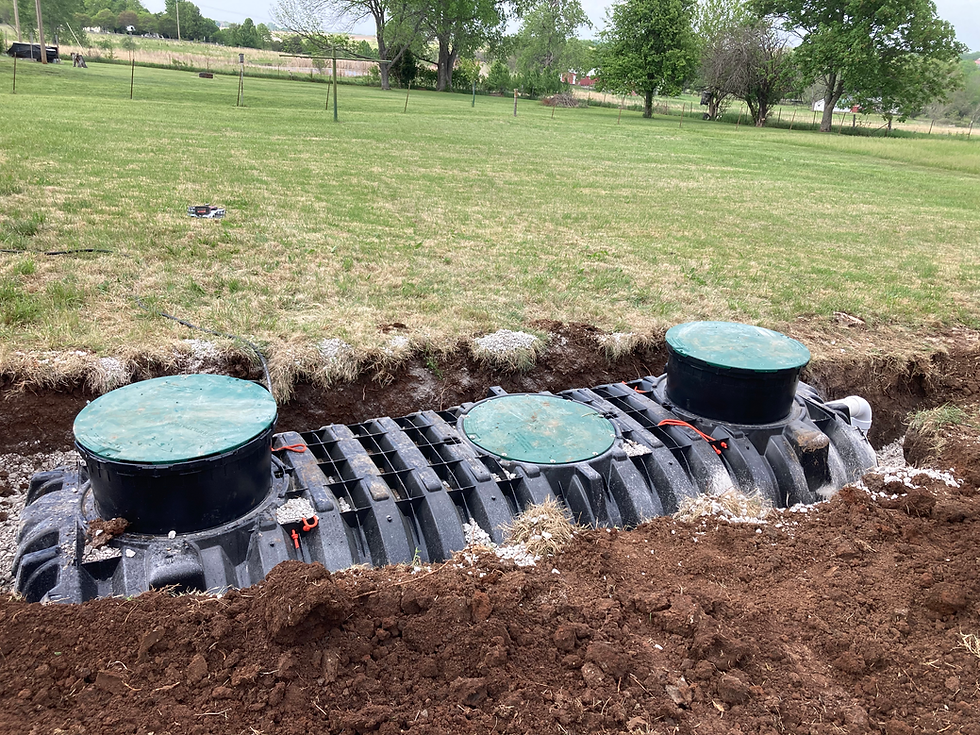
Planning a new septic system? Rossi Septic provides professional installation and customized system designs based on your property and site requirements. In Kansas and Missouri, new septic system installations can vary significantly in cost, with many projects falling in the $20,000–$30,000 range. The actual cost depends on the system type, soil conditions, site, and other requirements. Learn more below. Learn more.
Septic System Repairs
Having trouble with your septic system? Rossi Septic provides dependable repairs for existing septic systems, from smaller issues to more serious problems. Our experienced team will identify the issue, recommend the right solution, and get your system back to working properly.
Alternative Septic System Designs
Not every property can use a traditional septic system. Rossi Septic designs alternative septic systems for properties with unique soil, space, or site challenges. We’ll help determine the right system for your property and make sure the design meets applicable Kansas and Missouri requirements.
Septic System Upgrades
Is your septic system outdated or struggling to keep up? Rossi Septic can help improve an existing system with upgrades designed to improve performance, efficiency, and reliability. We’ll evaluate your system and recommend practical improvements based on your property and its specific needs.
Annual Septic Maintenance
Keep your septic system in good working order with Rossi Septic’s annual maintenance service, starting at $225. Regular maintenance can help catch small problems before they become costly repairs and keep your system working properly year after year. Download our Owner's Manual!
Septic Tank Replacements
When your septic tank needs to be replaced, Rossi Septic provides dependable tank replacement services from start to finish. We’ll help you choose the right replacement for your system and property, then handle the installation with quality materials and professional workmanship.

Installation: What Affects Cost?
-
Soil type
-
System type
-
System size
-
County requirements
-
Tank size & material
-
Distance from house to absorption field
-
Excavation conditions (rock, slope, trees)
-
Electrical requirements
-
Permit & inspection fees
Disclaimer: Septic system pricing varies significantly by site conditions and local regulations. The ranges shown above are provided for educational purposes only and do not represent a project quote. Accurate pricing requires a site evaluation and system design.
New Septic System Cost FAQs
Why do septic system prices vary so much?
Septic system costs vary because no two properties are the same. Factors such as soil conditions, lot layout, system type, local regulations, and required materials all play a major role in determining the final cost. Even neighboring properties can have very different requirements once soil testing and system design are completed.
In addition, county health department rules and system design standards can differ from one location to another, which affects permitting, inspections, and construction methods. Because of these variables, septic systems are best priced after a site evaluation rather than with a one-size-fits-all number.
Is a cheaper septic system always better?
Not necessarily. While lower upfront cost may be appealing, the least expensive option is not always the best long-term solution. A properly designed septic system must match the soil conditions, water usage, and regulatory requirements of the property.
Systems that are undersized or not well-suited to the site may experience more frequent maintenance issues, reduced lifespan, or premature failure—leading to higher costs over time. Investing in the correct system from the start often provides better reliability, performance, and peace of mind.
How much does soil type affect septic system cost?
Soil type has a major impact on septic system design and cost. Some soils absorb and treat wastewater efficiently, allowing for simpler system designs. Other soils—such as heavy clay, shallow bedrock, or areas with high groundwater—require alternative designs that add materials, labor, and engineering.
Soil evaluations help determine how wastewater moves through the ground, which directly influences the size, layout, and type of system needed. Because soil conditions vary widely, they are one of the primary reasons septic system costs can differ significantly from one property to another.
Are alternative septic systems more expensive long-term?
Alternative septic systems can have higher initial costs due to additional components or specialized installation requirements. However, long-term cost depends on maintenance, usage, and proper care, not just the system type.
Some alternative systems offer improved treatment performance and can extend the usable life of a property where a conventional system is not feasible. When properly maintained, many homeowners find these systems to be reliable and cost-effective over time, especially when they prevent the need for future system replacement or upgrades.
What determines the size of my septic system?
Septic system size is determined by several factors, including:
• Number of bedrooms in the home
• Estimated daily water usage
• Soil test results
• System type and design requirements
• Local health department regulations
The system must be sized to safely and effectively treat the expected volume of wastewater while meeting all regulatory standards. Proper sizing is critical to system performance, longevity, and environmental protection.
Septic Pumping FAQs
What does it cost to pump my septic tank?
Our septic pumping service starts at $350, with an additional $25 per 100 gallons over 1,000 gallons. Most residential tanks are 1,500 gallons or less, which means many pump-outs fall around $475. An emergency service fee of $150 applies for after-hours or urgent requests. Pricing assumes the tank is accessible and does not require digging—additional charges may apply if excavation or difficult access is involved.
How often should I have my septic tank pumped?
Most tanks should be pumped every 3–5 years, depending on household size, tank capacity, and water usage. Regular pumping prevents backups, system failure, and costly repairs.
What happens during a septic pumping service?
Our team removes solids and sludge from your tank using professional equipment, inspects the system for potential issues, and ensures everything is flowing properly before leaving your property clean and safe.
How do I know if my septic system needs pumping?
Signs include slow drains, odors, standing water near the tank, or unusually lush grass over the drain field. Even if you don’t see symptoms, regular pumping is the best way to avoid emergencies.
Can I pump my septic tank myself?
No. Septic pumping requires licensed equipment and trained professionals to safely handle waste, comply with environmental regulations, and protect your property from damage.
What are the benefits of regular septic pumping?
Routine pumping prevents clogs, extends your system’s life, protects the environment, and saves you money by avoiding costly emergency repairs.