Winter in Kansas and Missouri can be unpredictable—freezing temperatures one week, snow and ice the next. While most homeowners are focused on keeping pipes from freezing, your septic system also needs attention during the coldest months of the year. How Cold Weather Affects Your Septic System Septic systems are designed to work year-round, but extended cold snaps can slow things down. Frozen soil, compacted snow, and increased indoor water use all put extra stress on your system. The good news? A few simple habits can help prevent winter problems. Snow Is Actually Helpful It may sound strange, but snow cover helps insulate your septic tank and drain field. Avoid plowing or removing snow from these areas whenever possible. That layer of snow acts as a blanket, keeping the ground warmer and reducing the risk of freezing lines. Be Mindful of Water Use February often means more time spent indoors, which usually leads to more water going down the drain. Spread out activities like laundry, showers, and dishwashing throughout the day. This helps your system process wastewater more efficiently and reduces the chance of backups. Watch for Early Warning Signs Slow drains, gurgling sounds, or sewage odors inside or outside your home can signal a developing issue. Cold weather won’t cause problems overnight, but it can make small issues worse if they’re ignored. Avoid Driving Over the Drain Field Frozen ground doesn’t mean frozen damage risk. Parking vehicles or placing heavy equipment over your drain field can compact soil and damage pipes, especially when the ground thaws and refreezes. Winter Is a Good Time to Plan Ahead If you’re unsure when your system was last pumped or inspected, February is a great time to get on the schedule for spring service. Planning early helps avoid last-minute issues when warmer weather hits and demand increases. Serving Kansas & Missouri Rossi Septic proudly serves homeowners across Kansas and Missouri with septic installation, maintenance, and repair. If you have questions or notice signs of trouble this winter, our team is here to help.
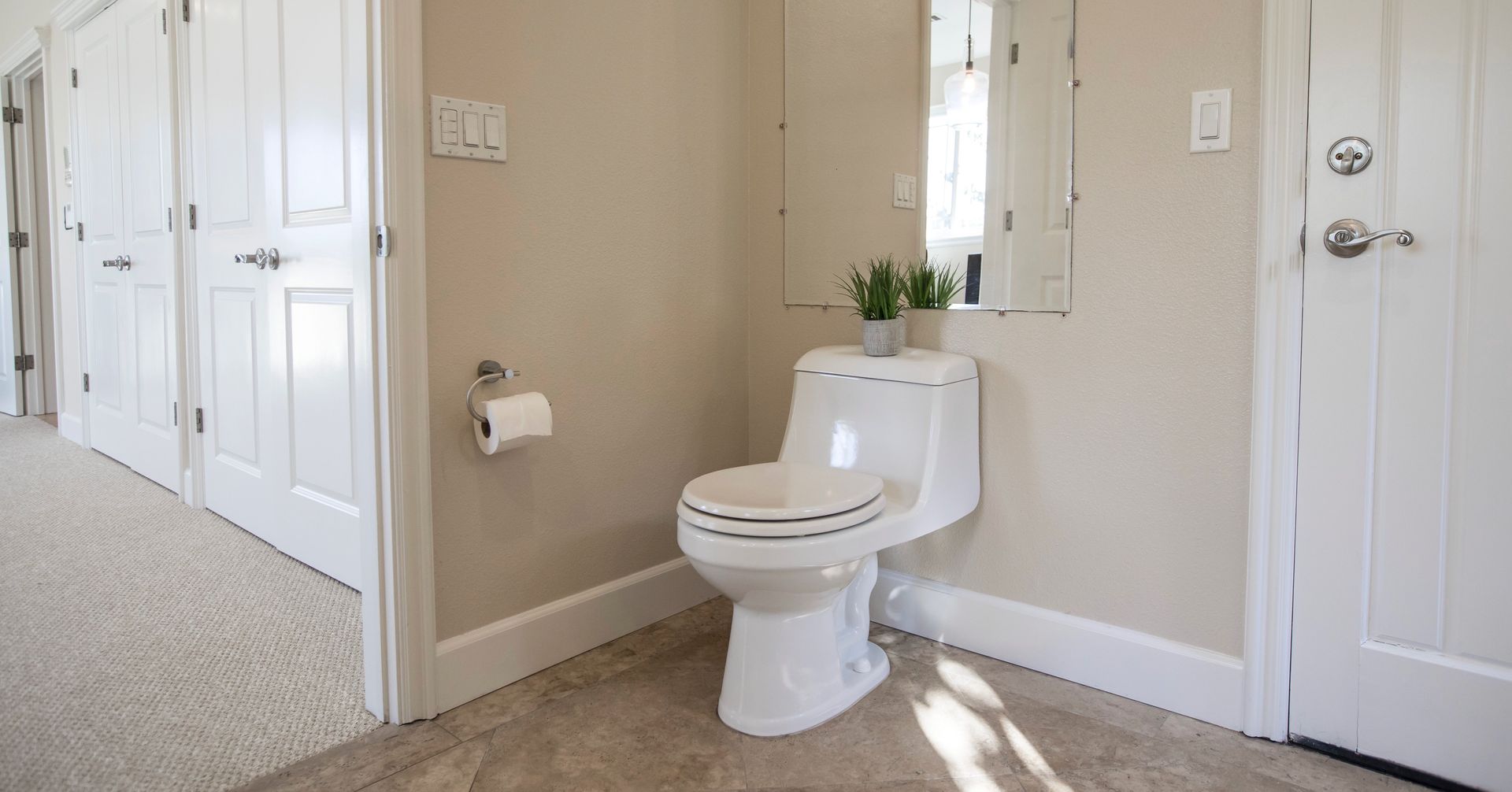
February in the midwest means cold temps, frozen ground, and a septic system that’s already working hard. The last thing you want this time of year is a backup caused by something that should never have been flushed in the first place. If you’re on a septic system, here’s a simple rule: Only flush toilet paper and human waste. Everything else can cause problems. 1. “Flushable” Wipes Even wipes labeled flushable do not break down like toilet paper. They can clog pipes, collect in your tank, and lead to costly backups—especially in winter when cold temperatures slow everything down. 2. Paper Towels and Tissues These are thicker than toilet paper and don’t dissolve properly. Over time, they build up in your tank and create blockages. 3. Feminine Hygiene Products Tampons and pads are designed to absorb and expand. In a septic system, that means trouble. They can clog pipes and reduce your tank’s efficiency. 4. Grease, Oils, and Fats While not typically flushed down a toilet, these often end up in drains. In cold February weather, grease hardens quickly and can block pipes before it even reaches your tank. 5. Diapers and Cotton Products Diapers, cotton balls, and swabs do not break down in a septic system. They stay in the tank and increase the risk of overflow. 6. Harsh Chemicals Bleach, antibacterial cleaners, and drain cleaners can kill the beneficial bacteria your septic tank relies on to break down waste. Without those bacteria, your system cannot function properly. Why Winter Makes It Worse Frozen soil and heavy ground moisture in Kansas and Missouri can already slow drainage in your leach field. Adding clogs or buildup to the mix increases the chance of backups inside your home—never fun, especially in February. Keep It Simple To avoid emergency service calls this winter: Flush only toilet paper and human waste Dispose of wipes and hygiene products in the trash Avoid pouring grease down drains Schedule regular septic maintenance A little prevention now can save you from major repairs later. If you have questions about your septic system or need service in Kansas or Missouri, we’re here to help.
Winter can be tough on a septic system. Freezing temperatures, saturated soil, and increased household water use all put added pressure on your tank and drain field. As temperatures rise, early spring is the ideal time for a post-winter check-in to make sure everything is working the way it should. At Rossi Septic, we recommend a quick seasonal review before heavy spring rains arrive. 1. Check for Wet or Soggy Areas Walk your yard and look for standing water or unusually soft spots near the drain field. Melting snow and spring rain can oversaturate soil, but persistent wet areas may signal your system needs attention. 2. Watch for Slow Drains If sinks, tubs, or toilets are draining slower than usual, your tank could be nearing capacity. Winter often means more time indoors—more showers, more laundry, more use—which adds up. 3. Inspect Lids and Risers Freeze-thaw cycles can shift soil and lids. Make sure everything is secure and sealed properly. Loose or damaged lids should be addressed right away for safety and system protection. 4. Schedule Routine Pumping If it’s been 3–5 years since your last pump (or you’re unsure), spring is a smart time to schedule service. Preventative pumping costs far less than repairing a failed system. 5. Evaluate System Age If your system is older or you’ve noticed recurring issues, now is the time to discuss maintenance or potential upgrades. Addressing small concerns early helps avoid larger repairs during peak summer use. Stay Ahead of Problems A septic system works quietly underground—until it doesn’t. A simple post-winter inspection helps catch small issues before they become messy and expensive. If you’d like us to take a look, handle pumping, or discuss a maintenance plan, we’re ready to help. Spring is one of our busiest seasons, so getting on the schedule early ensures your system is ready for the months ahead.
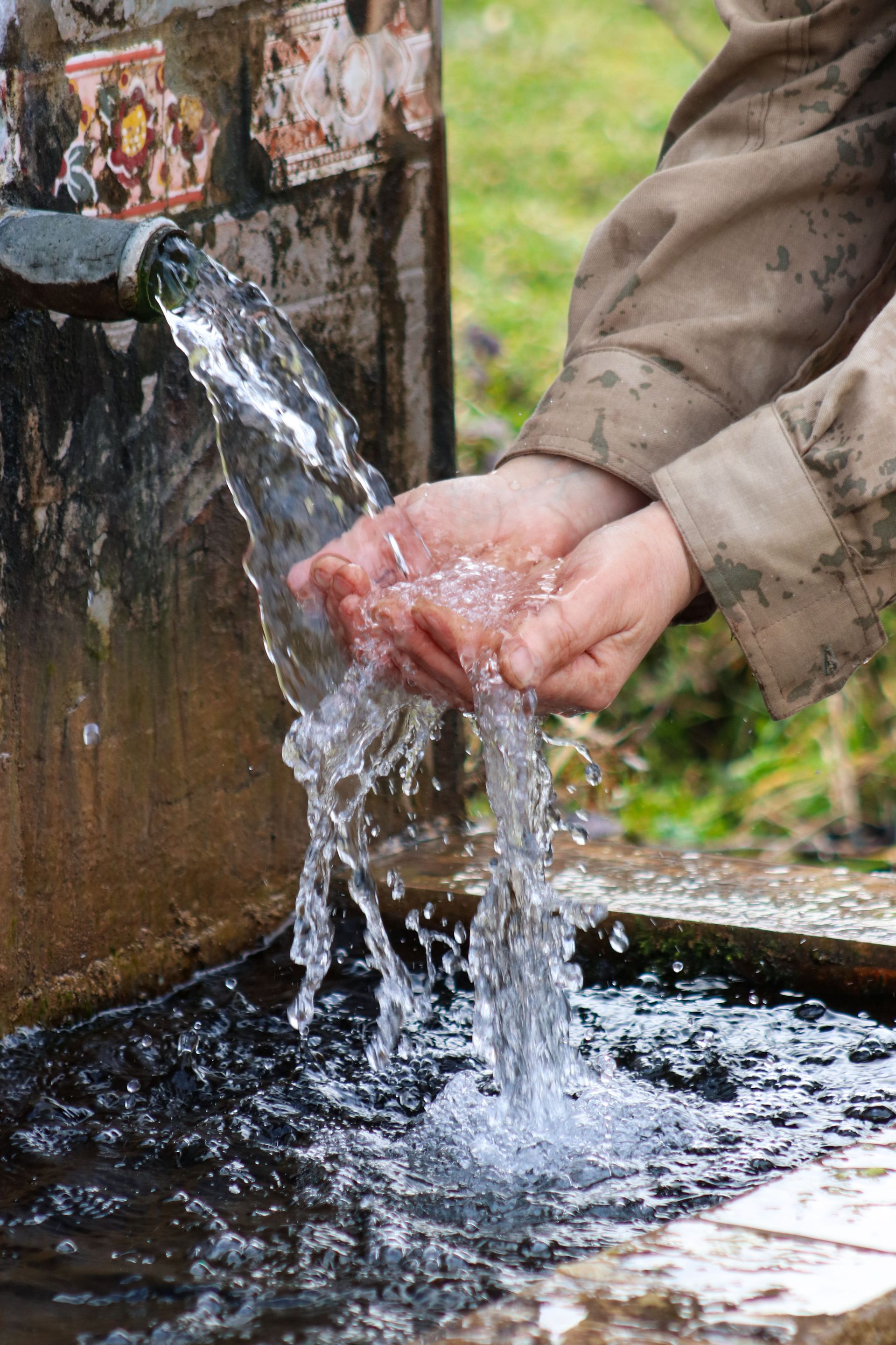
Spring is here—and with it comes busy schedules, fuller days, and more happening at home. From extra loads of laundry to more dishes and daily activity, water usage inside the house tends to rise this time of year without much thought. But all that extra water doesn’t just disappear—it flows straight into your septic system. Your septic system is designed to handle normal daily use. When water usage spikes in the spring, it can put added stress on the tank and drain field. Too much water too quickly can prevent proper separation of solids, push waste into places it shouldn’t go, and even lead to backups or costly repairs. A few simple habits can make a big difference: Spread out laundry loads instead of doing them all in one day Fix any leaks or dripping faucets Be mindful of how often sprinklers and hoses are running Avoid flushing anything other than toilet paper Spring is also a great time to schedule a maintenance check. Making sure your system is inspected and pumped when needed helps it run efficiently all season long. Being aware of your water use doesn’t mean cutting back on enjoying your home—it just means using it wisely. A little attention now can help you avoid bigger problems later and keep your septic system working exactly as it should.

As we head into May here in the midwest, it’s prime time to freshen up your yard. But before you start planting or digging, it’s important to keep your septic system in mind. The right landscaping choices can help your system run smoothly, while the wrong ones can lead to costly issues. 1. Choose the right plants. Stick with grass or shallow-rooted plants over your drain field. Deep-rooted trees and shrubs can grow into pipes and cause damage over time. If you’re unsure, it’s always better to plant those further away from your system. 2. Know where your system is. Before starting any landscaping project, make sure you know the exact location of your tank and drain field. This helps you avoid accidental damage from digging, heavy equipment, or new installations. 3. Keep it light. Avoid placing heavy items like patios, fire pits, or large planters over your septic system. Extra weight can compact the soil and interfere with proper drainage. 4. Be mindful of water use. Spring planting often means more watering, but too much water over your drain field can oversaturate the system. Keep irrigation balanced and avoid directing runoff toward that area. 5. Maintain easy access. Make sure your septic tank lids and access points are easy to reach for routine maintenance and pumping. Hiding them under landscaping features can make service more difficult and expensive. A little planning now can go a long way in protecting your septic system—and your yard—all season long. If you have questions about your system or need help locating it, Rossi Septic is here to help.

Summer means cookouts, family gatherings, lake weekends, and extra guests staying over–which also means your septic system is working harder than usual. More people in the house leads to increased water usage from showers, laundry, dishes, and bathrooms, putting added strain on your system. One of the biggest summer septic problems comes from overloading the system with water all at once. Spacing out laundry loads, taking shorter showers, and fixing any leaking faucets or toilets can make a big difference. It’s also important to remind guests not to flush wipes, feminine products, paper towels, grease, or food scraps that can clog or damage the system. Keep an eye out for warning signs like slow drains, sewage odors, gurgling pipes, or soggy spots near the drain field. These can all signal your septic system may need attention before a small issue becomes a costly repair. Summer is also a great time to schedule a septic inspection or pumping service if it’s been a few years since your last maintenance appointment. A little preventative care now can help keep your system running smoothly all season long so you can focus on enjoying time with family and friends.
Summer is grilling season! From burgers and hot dogs to ribs and barbecue, July is full of backyard cookouts and family gatherings. While you're enjoying great food, don't forget about your septic system. One of the biggest threats to a healthy septic system is grease. After grilling, it can be tempting to pour leftover grease or cooking oil down the drain. Unfortunately, grease hardens as it cools, leading to clogged pipes and added stress on your septic tank. Instead: Let grease cool, then dispose of it in the trash. Wipe greasy pans with a paper towel before washing them. Use a sink strainer to catch food scraps. Avoid putting fats, oils, and grease down any drain. Summer often means extra guests, too. More people in your home means more water usage. Spread out laundry loads, fix any leaking faucets, and be mindful of water use to help prevent overloading your septic system. A few simple habits can go a long way toward avoiding costly repairs and keeping your septic system working efficiently all summer long. If it's been a while since your last septic inspection or pumping, Rossi Septic is here to help. Contact our team to schedule your next service and enjoy a worry-free summer.

Planning one last late summer getaway or a fall vacation? Before you pack your bags, take a few minutes to make sure your septic system is ready while you're away. A little preparation now can help prevent unexpected issues when you return home. Here are a few simple tips: Know when your tank was last pumped. If it's been 3–5 years, or you're due for service, schedule a pumping before you leave. Fix any leaks. A dripping faucet or running toilet can send unnecessary water into your septic system while you're gone. Spread out water usage. Avoid doing several loads of laundry or running the dishwasher multiple times right before you leave. Keep harmful items out of your drains. Grease, wipes, paper towels, and harsh chemicals can cause problems any time of year. Have someone check on your property. If you're gone for an extended period, ask a neighbor or friend to keep an eye out after heavy Kansas storms or report any unusual odors or wet spots. Regular septic maintenance is one of the best ways to avoid costly repairs and keep your system working efficiently for years to come. If your tank is due for service, we'd be happy to help. We now offer septic tank pumping in addition to our installation and maintenance services. Contact us today to schedule your appointment before your next trip!

If you’re buying or selling a home with a septic system, it’s easy to overlook it during all the other details of a real estate transaction. But it’s an important part of the property, and a little information upfront can save you from surprises later. If You're Selling Before you put your home on the market, it helps to know: Where the septic tank and drain field are located When the tank was last pumped How old the system is Whether you have records from past pumping, repairs, or installation If there is a problem with the system, finding out before the buyer's inspection gives you more time to decide how you want to handle it. If You're Buying Ask the seller for any septic records they have and find out when the tank was last pumped. It’s also a good idea to have the septic system checked as part of the home-buying process. Just because everything is flushing and draining normally doesn't mean there isn't an issue. A septic professional can take a closer look at the tank and system and let you know what they find. Know What You're Buying A septic system is a big part of a rural property. Whether you’re buying or selling, knowing its age, history, and condition can help avoid an unpleasant surprise after closing. Before you buy or sell, know what’s underground.
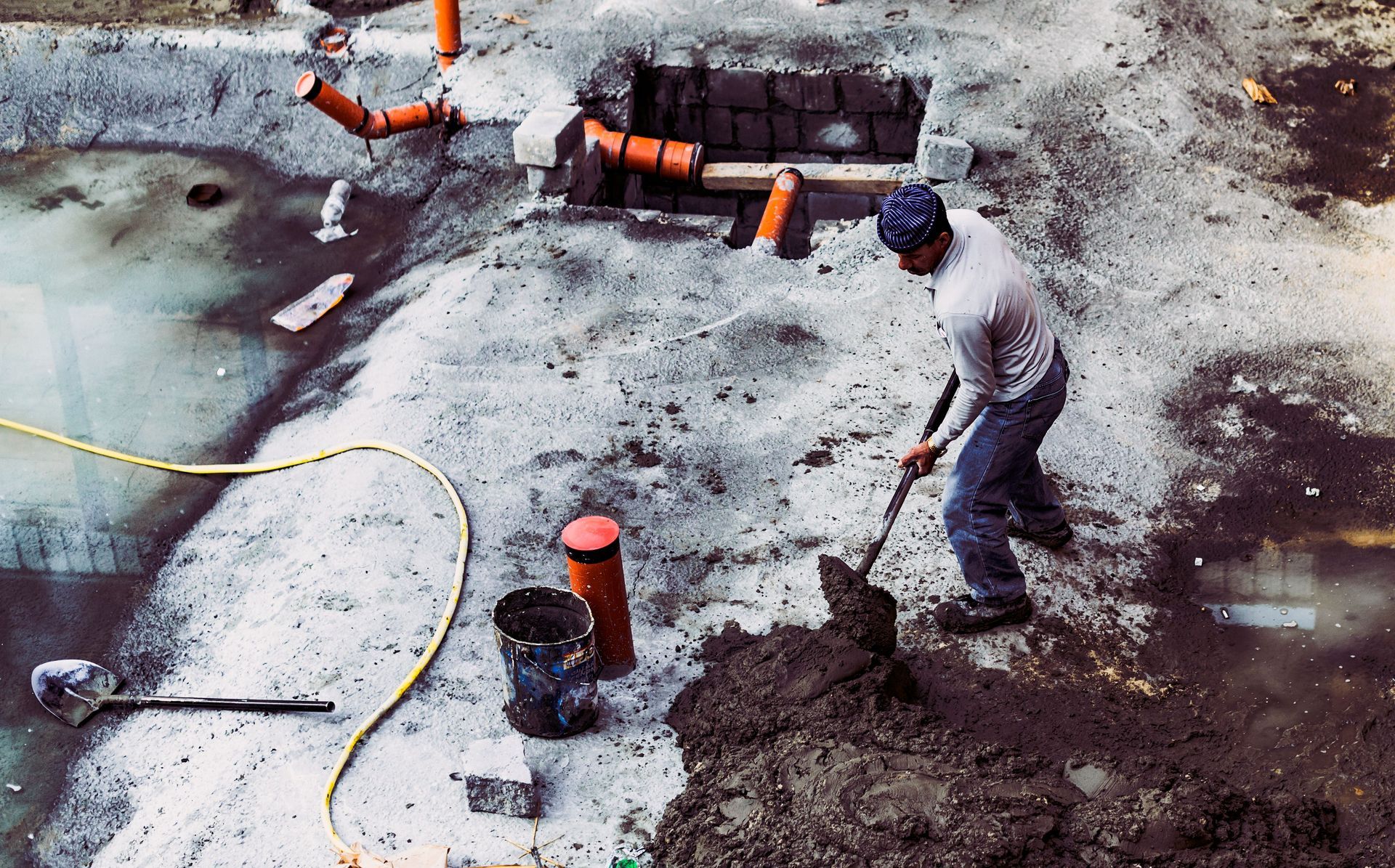
Fall is a good time to give your septic system a little attention before colder weather arrives. That doesn’t mean every septic tank needs to be pumped before the ground freezes, but a few simple checks now can help you head into winter knowing your system is in good shape. Know When You Last Pumped If you can’t remember the last time your septic tank was pumped, fall is a good time to check your records. How often a tank needs pumping depends on several factors, including household size, tank size and water usage. If you’re already due – or getting close – scheduling before winter can be more convenient than discovering a problem during freezing temperatures. Watch for Warning Signs Your septic system will often give you clues when something isn’t working correctly. Slow drains throughout the house, gurgling plumbing, sewage odors, unusually wet areas near the system or wastewater backing up are all signs that deserve attention. Don’t wait for a small problem to become a much bigger one. Protect Your Drainfield Fall cleanup can mean extra traffic around the yard. Remember to keep vehicles, trailers and heavy equipment off your drainfield and other septic components. The soil and system below need to remain protected from unnecessary weight and compaction. It’s also a good idea to know where your tank, lids and drainfield are located before they're covered by snow. Check Your Water Habits More time indoors during the colder months can mean more laundry, showers, cooking and houseguests. Spreading out heavy water use can help avoid overwhelming your septic system. And remember – toilets aren't trash cans. Avoid flushing wipes, paper towels, feminine hygiene products and other items that don't belong in your septic system. Don't Wait Until There's an Emergency The best time to think about your septic system is before something goes wrong. Whether your system is due for pumping, needs maintenance or simply hasn’t been checked in a while, fall is a great time to make a plan. Need help with your septic system? Contact us to schedule service or talk with our team about what your system may need before winter arrives.